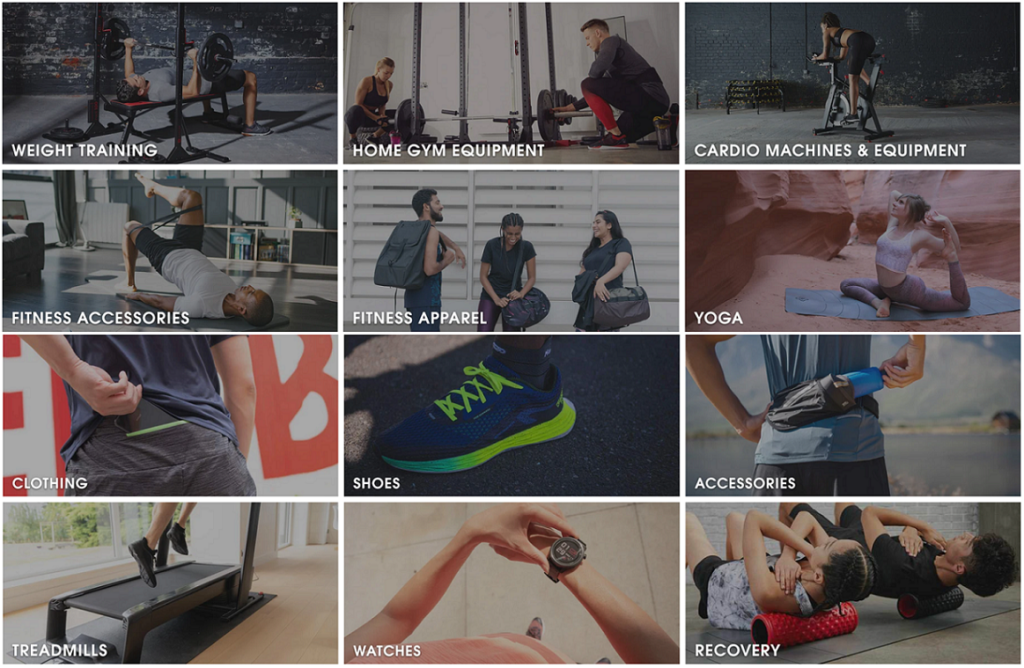


Whether you’re training at home or working out in a commercial gym, understanding the different types of gym equipment—and how to use them effectively—can help you build a routine that supports your fitness goals, keeps you motivated, and prevents injuries.
From building strength to boosting endurance, gym equipment comes in many shapes and forms—each designed for a specific purpose. Understanding the different categories can help you choose tools that match your fitness goals, available space, and training style. Here’s a breakdown of the most essential types of gym equipment.
Strength training gear focuses on building muscle, improving bone density, and increasing metabolic rate. It includes:
Cardiovascular machines are designed to elevate heart rate, burn calories, and improve aerobic capacity.
This category includes tools for mobility, core work, and balance training.
Whether you’re a beginner exploring your first dumbbell set or a seasoned athlete looking for the latest in cardio tech, understanding the different types of gym equipment helps you train smarter and safer. With this foundation, you’re ready to decide what fits your fitness style—whether it’s lifting heavy, moving with intensity, or building balance and mobility.
Choosing between commercial and home gym equipment depends on your environment, goals, and how you plan to train. While both categories serve the same purpose—supporting effective workouts—they differ significantly in terms of design, durability, and features. Understanding the key differences can help you make the right investment, whether you’re building a public facility or a private fitness space.
Used in health clubs, hotels, universities, and athletic centers, commercial gym equipment is:
Examples of commercial-grade brands:
Designed for personal use, home fitness gear is:
Top home fitness brands include:
Some brands, like Precor At Home and Matrix Home Fitness, bridge both worlds by offering commercial-grade quality in home-friendly formats.
Ultimately, the right choice comes down to how, where, and how often you train. Commercial-grade gear offers unmatched durability and features but may be overkill for casual users. On the other hand, home gym equipment delivers flexibility, privacy, and convenience—perfect for anyone building a personal routine. By weighing your needs and priorities, you can find the right setup to support your fitness journey for the long haul.
The global fitness industry is powered by a handful of standout brands that set the standard for innovation, quality, and performance. These major players have built their reputations over decades, supplying everything from elite training centers to home gyms with state-of-the-art equipment. Whether you’re outfitting a professional facility or looking for trusted gear for personal use, it’s worth knowing who leads the pack—and what makes each brand unique in the crowded fitness market.
The fitness equipment industry includes well-known players, each with distinct specialties:
The global fitness industry is powered by a handful of standout brands that set the standard for innovation, quality, and performance. These major players have built their reputations over decades, supplying everything from elite training centers to home gyms with state-of-the-art equipment. Whether you’re outfitting a professional facility or looking for trusted gear for personal use, it’s worth knowing who leads the pack—and what makes each brand unique in the crowded fitness market.
Not everyone has access to a full gym—or the desire to use one. Fortunately, effective fitness doesn’t require a room full of machines. There are plenty of alternatives that can deliver strength, cardio, and flexibility training with minimal space and cost. These options offer freedom, creativity, and accessibility, making fitness more adaptable to modern lifestyles.
While traditional gym gear is effective, several accessible alternatives offer variety, convenience, and affordability:
Whether you’re traveling, on a tight budget, or just prefer to keep things simple, these alternatives prove that great workouts don’t require traditional gym equipment. The key is consistency and creativity—your body is the best tool you have, and with the right approach, you can build a strong, resilient physique virtually anywhere.
Choosing the right gym equipment comes down to matching your goals, space, and training preferences with the right tools. If your priority is building strength, free weights, racks, and resistance machines from brands like Rogue Fitness, REP Fitness, or Iron Bull Strength provide excellent value. For those focused on cardio endurance, premium treadmills, ellipticals, or bikes from Precor, NordicTrack, Matrix, or Woodway deliver smooth, reliable workouts—many with smart features and immersive content.
If you’re setting up a commercial facility, investing in long-lasting, high-traffic gear from Technogym, Life Fitness, or Cybex ensures both performance and durability. For home gyms, compact and adjustable solutions from Bowflex, Core Home Fitness, or Tonal allow for maximum utility without compromising space.
Even alternatives like Crossrope, TRX, and Gorilla Bow prove that full-body workouts can be achieved without bulky equipment—making fitness more accessible for everyone.
In the end, the best gym equipment is the one that supports your goals and keeps you moving consistently. Whether you’re lifting heavy, chasing endurance, or simply staying active, today’s fitness market offers a tool for every need, budget, and training style. Let your body—and your space—guide the investment, and your fitness will follow.
(10)
(28)
(9)
(8)
(20)
(14)
(29)
(12)
(21)
(14)
(14)
(11)
(14)
(9)
(63)
(39)
(17)
(8)
(10)
(13)
(32)
(9)
(20)
(0)
(8)
(9)
(15)
(24)
(16)
(16)
(18)
(11)
(18)
(17)
(14)
(30)
(44)
(19)
(18)
(20)
(15)
(18)
(14)
(15)
(0)
(28)
(30)
(20)
(34)
(19)
(26)
(7)
(24)
(10)
(15)
(9)
(13)
(19)
(9)
(12)
(10)
(13)
(24)
